
Carbon Management in Agriculture: Revenue Opportunities and Asset Valuation
The Brazilian agribusiness is transforming sustainable practices into new revenue opportunities through carbon credits. In this scenario, low-carbon agriculture combines productivity, soil recovery, and environmental responsibility, but requires recognized methods and reliable certifications. With technology, suitable fertilizers, and specialized technical support, Agrion helps producers adopt regenerative practices, meet global market demands, and make their crops more profitable, resilient, and prepared for the future.
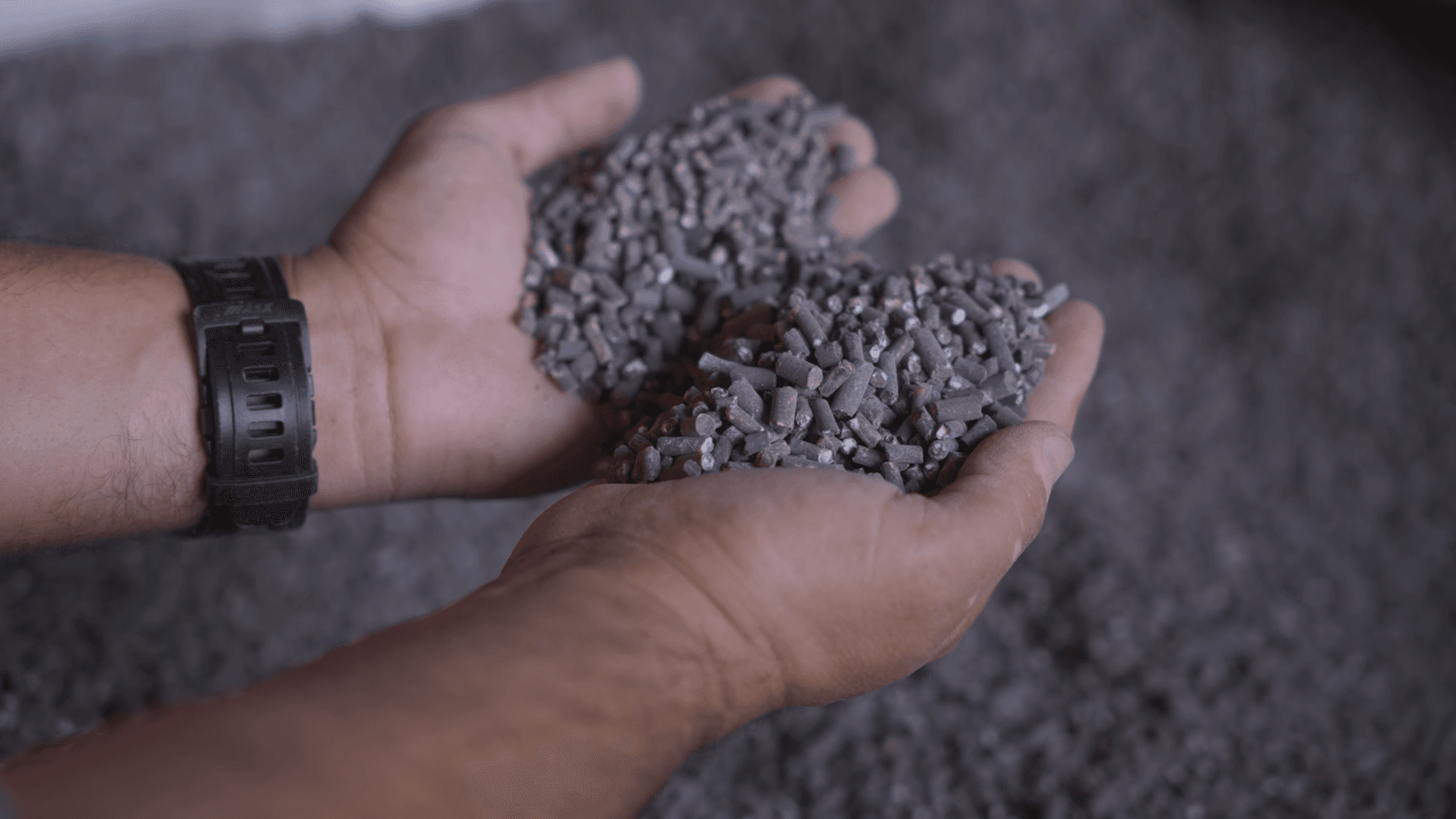
The Brazilian agribusiness is undergoing an accelerated evolution. The soil, once seen merely as a base for planting, has now transformed into one of the most promising financial assets for rural producers: the opportunity to generate revenue through carbon sequestration.
A recent study by the Brazilian Agribusiness Association (ABAG) confirms this new reality: the sector has the potential to generate up to 314.3 million carbon credits by 2035, moving up to R$ 3.5 billion. This figure is not just a number; it is proof that sustainability, when well-managed, becomes a new revenue stream for the producer.
To turn this potential into real results, the market indicates that the current major challenge is the regulation and official recognition of the methodologies used by agriculture. In other words, it is not enough to adopt sustainable practices; projects must follow strict criteria and be validated by certifiers to ensure high environmental integrity credits.
To turn this potential into reality, having the support of Agrion makes all the difference. With a specialized technical team and proprietary technological solutions, the company brings together in a single product the pillars of low-carbon agriculture: reducing the use of mineral NPK, increasing organic matter in the soil, and balanced plant nutrition. This integrated approach favors regenerative practices, strengthening the structure, biology, and fertility of the soil over time, translating into concrete productivity gains for the crop, combining agronomic efficiency with environmental responsibility. The international market is maturing quickly, with increasingly demanding rules, such as those of the CORSIA program (focused on global aviation). Those who get ahead are those who already cultivate efficiently, focusing on quality and aligning with global requirements. Low-carbon agriculture has ceased to be a promise and has become a business strategy. It is the path to a more profitable, resilient, and future-ready agribusiness.
At Agrion, it is understood that each crop has a unique potential. For those looking to transform farm management into a competitive advantage in the carbon market, Agrion has the right fertilizers to enable this new model of low environmental impact agriculture and a technical team ready to guide this journey.
Want to know how to prepare your farm for this new scenario?
Get exclusive content
Practical strategies straight to your inbox. No spam, just the essentials.